

Amazon FBA Profit Margins Explained: Formulas, Benchmarks & Common Mistakes
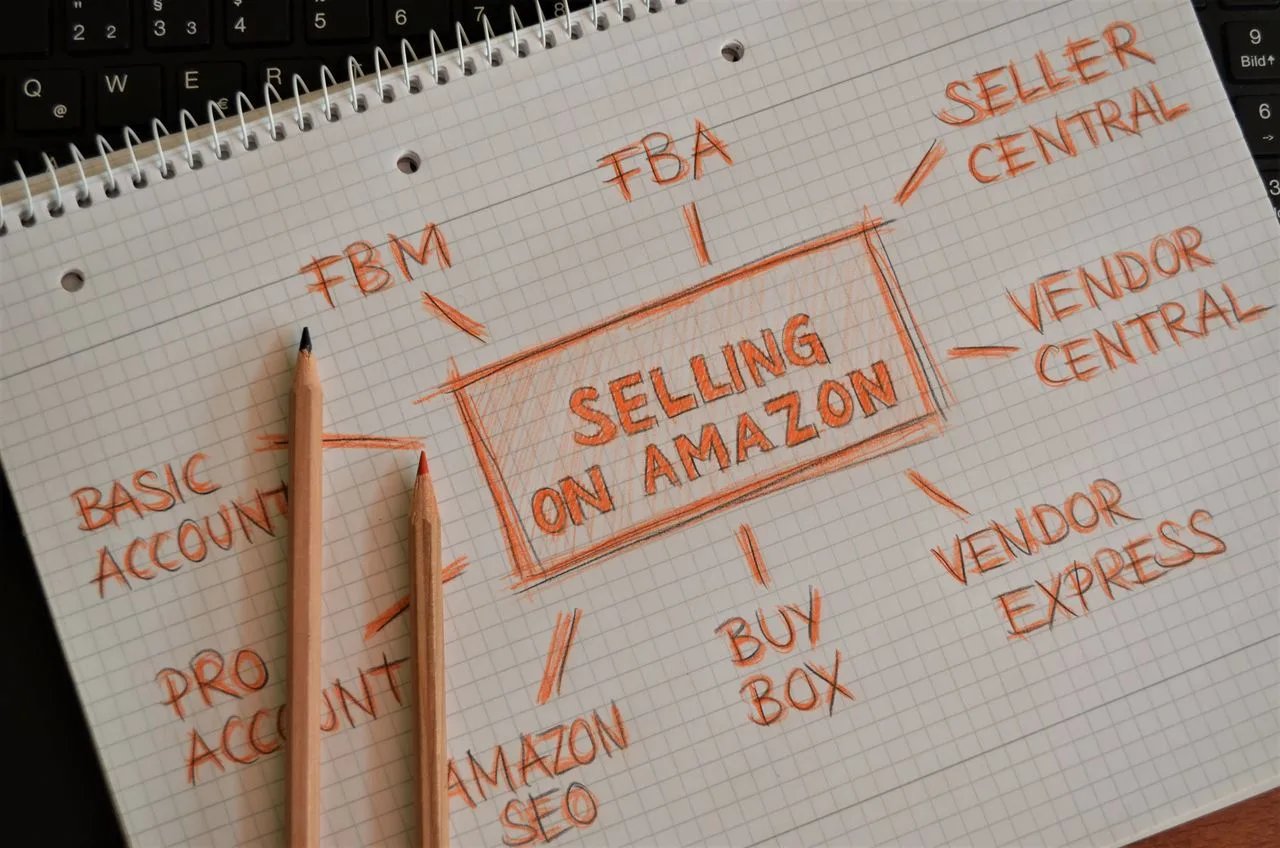
FBA profit margins get discussed constantly and calculated properly less often than you would think. Most sellers know the rough shape of the formula, but the details, which fees actually apply, what counts as a "good" margin, and where the calculation typically breaks down, tend to be fuzzier. This is a plain-language breakdown of how to calculate Amazon FBA profit correctly, with real benchmarks and the mistakes that most commonly throw the number off.
The FBA Profit Margin Formula
FBA Profit = Selling Price − Product Cost − Referral Fee − FBA Fulfillment Fee − Storage Fee − Advertising Cost
To turn that into a margin percentage: divide the profit figure by the selling price and multiply by 100. This is the same underlying logic as any ecommerce profit margin calculation formula, revenue minus every cost required to generate it, expressed as a share of revenue rather than a flat dollar figure, so it is comparable across products at different price points.
How to Calculate Amazon FBA Profit: A Worked Example
Take a product selling at $22.00. Product cost is $5.50. Referral fee at a 15% category rate is $3.30. FBA fulfillment fee for a small standard-size item is roughly $4.20. Add an estimated $0.40 for monthly storage and $2.00 for advertising. Total costs: $15.40. Profit: $22.00 − $15.40 = $6.60, or a 30% margin.
The two line items sellers most often skip are storage and advertising, both feel "variable" enough to estimate loosely or ignore, but together they can easily represent 10-15% of revenue on a competitive listing.
Using an FBA Profit Margin Calculator vs. Doing It by Hand
An amazon fba profit margin calculator automates the lookup of Amazon's current fee schedule by category, size tier, and weight, which matters because fulfillment fees are tiered and change periodically, and manually tracking every tier boundary is tedious and easy to get slightly wrong. The formula itself does not change; what a calculator saves you is the fee-lookup step, not the underlying math. Understanding the manual version first (above) means you can sanity-check whatever a calculator tells you rather than trusting it blindly. Whether you call it an amazon fba profit calculator specifically, or a general amazon profit calculator that happens to cover FBA fees, the underlying check is the same one worked through above.
The Ecommerce Profit Margin Calculation Formula, More Generally
Outside of Amazon specifically, the ecommerce profit margin calculation formula follows the same shape: Margin % = ((Revenue − Total Costs) / Revenue) × 100, where "total costs" includes product cost, platform or payment processing fees, fulfillment, and marketing spend for whichever channel you are selling on. The formula is identical in structure across Amazon, Shopify, or any other channel, only the specific fee inputs change.
How to Calculate Ecommerce Profit Margins Across Multiple Products
For a full catalog rather than one SKU, calculate margin per product first, then weight by revenue to get a true blended margin, a simple average across products can be misleading if your highest-revenue items have different margins than your lowest-revenue ones. A product with a 40% margin selling five units a month matters far less to your overall profitability than one with a 20% margin selling 500 units a month, and a straight average of the two percentages would obscure that.
Benchmarks: What Counts as a Good FBA Margin?
-
Below 10%: High risk, little cushion against a fee increase, a price war, or a shipping cost spike. Worth reviewing for repricing or discontinuation.
-
10-20%: Workable but tight, particularly in competitive categories where ad costs tend to rise over a product's lifecycle.
-
20-30%: A commonly cited healthy range for FBA products, with enough cushion to absorb normal cost fluctuation.
-
30%+: Strong margin, though worth double-checking that every cost, especially advertising and returns, has genuinely been included rather than optimistically omitted.
Common Mistakes That Throw Off the Calculation
-
Using an outdated fee schedule. Amazon's fulfillment fees are revised periodically; a calculation based on last year's rates will consistently overstate margin.
-
Ignoring storage fee tiers. Q4 and long-term storage rates differ from standard rates, and a calculation done in spring will not reflect Q4 reality.
-
Flat advertising assumptions. Ad cost per unit typically is not static across a product's life, it often rises as a listing ages and competition increases.
-
Forgetting returns. Categories with above-average return rates need an explicit return allowance built in, not a zero-returns assumption.
None of these individually are complicated to fix. The fix is mostly discipline: use current fee data, include every cost category even when it feels like a rounding error, and recalculate periodically rather than trusting a number from months ago. Whether you do that by hand or with a dedicated tool like MarginMax, built by BlueRitt (ReverCe Technologies Ltd), the formula itself is the same either way.
Start exploring your
next product opportunity
Use BlueRitt to evaluate product demand, compare suppliers,
and estimate profit
so you can move forward with confidence.
Start finding your next product today
What You’ll Get
- Product demand insights
- Supplier matching
- Profit estimation tools
- Structured product research workflow
Tell us more about your project
Share your project details with us, and we'll respond promptly.